
Mississippi residents battle robocalls with a combination of state law protections, robocall blocking apps, and legal guidance. Apps using machine learning and advanced algorithms identify and block unwanted calls, but choosing the right one requires understanding individual needs and Mississippi's complex robocall laws. Consulting a lawyer for robocall laws Mississippi ensures compliance, offers legal recourse against violators, and promotes a peaceful communication environment.
In today’s digital age, robocalls have become a persistent nuisance for many Mississippi residents, often posing as legitimate calls from banks, government agencies, or even legal entities. These automated telephone marketing tactics can be particularly problematic for individuals seeking privacy and protection against deceptive practices. As such, there is an urgent need to explore effective solutions.
This article aims to guide Mississippi users in selecting the best robocall blocker app, empowering them to take control of their communication channels. By understanding the legal framework surrounding robocalls in Mississippi, we’ll highlight apps designed to mitigate these calls, offering a peaceful and secure environment for residents to manage their phone interactions.
Understanding Robocalls and Mississippi Law

Robocalls have become a pervasive and often intrusive aspect of modern communication, particularly in Mississippi, where residents may face a significant volume of automated calls promoting various products, services, or political campaigns. Understanding the legal framework surrounding robocalls is crucial for consumers seeking to protect their privacy and curb unwanted solicitations. Mississippi law, specifically the Mississippi Telemarketing Act, provides certain safeguards against these pre-recorded messages, but users still face challenges in effectively blocking them.
In Mississippi, a lawyer for robocall laws can offer valuable insights into navigating this complex issue. The state’s Telemarketing Act prohibits telemarketers from making prerecorded or artificial voice calls to residents without their prior consent. However, the definition of a telemarketer and what constitutes consent can be intricate, leaving room for ambiguity. As such, consumers often find themselves overwhelmed by the sheer number of robocalls they receive, despite not having given explicit permission. This is especially problematic considering that many legitimate businesses employ automated calling technologies to reach their target audiences.
To counter this issue, robust robocall blocking apps have emerged as a popular solution. These applications leverage advanced algorithms and machine learning models to identify and block unwanted calls, providing much-needed relief for busy Mississippi residents. When choosing an app, it’s essential to consider features like intelligent call screening, personalized blocking lists, and real-time updates on emerging spam patterns. By employing these tools, users can take a proactive step towards reclaiming their communication channels and ensuring compliance with the state’s robocall legislation.
Evaluating Top Robocall Blocker Apps
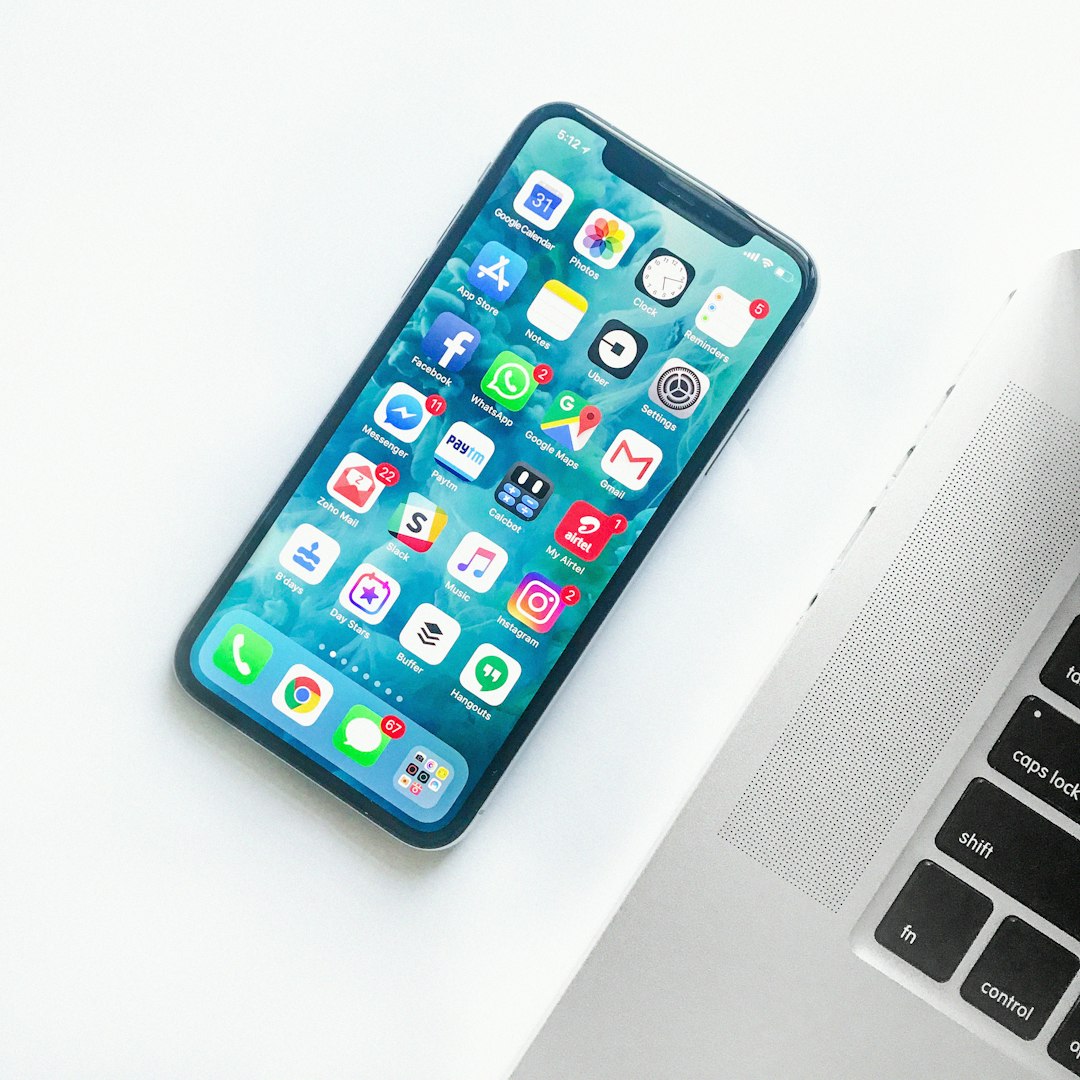
The deluge of robocalls has become a significant nuisance for Mississippi residents, with many seeking effective solutions to block these unwanted calls. In response, numerous robocall blocker apps have emerged, promising relief from this modern-day irritant. However, not all apps are created equal; evaluating the top options requires a critical lens.
One key factor is compliance with Mississippi’s robocall laws, which are designed to protect consumers from deceptive or harassing calls. A leading app should seamlessly integrate with these legal frameworks, empowering users to take action against violators. For instance, it should enable users to report spam calls and provide an easy mechanism for blocking recurring offenders. Consider the example of a lawyer for robocall laws Mississippi who might recommend an app that logs and categorizes calls, making it simpler to identify and sue malicious callers.
Furthermore, the best app will offer sophisticated call filtering technologies, leveraging machine learning algorithms to adapt to evolving fraud patterns. It should be able to distinguish between legitimate calls and spam with high accuracy, minimizing false positives while blocking genuine robocalls. Data privacy is another critical aspect; users must trust that their call history and personal information are secure. An app with robust encryption protocols ensures this data remains confidential.
Practical insights from user reviews can guide Mississippi residents in making informed choices. Look for apps with consistent, positive feedback regarding call blocking effectiveness, ease of use, and customer support responsiveness. Ultimately, the ideal robocall blocker app strikes a balance between robust functionality and user-friendly design, providing peace of mind in a crowded market.
Choosing the Best Fit for Your Needs

When selecting a robocall blocker app for Mississippi residents, understanding your specific needs is crucial. The best fit isn’t one-size-fits-all; it depends on factors like call volume, types of calls to block, and desired features. For instance, if you’re facing a relentless barrage of telemarketing calls, a robust app with advanced blocking algorithms might be ideal. On the other hand, if unwanted personal calls are the primary issue, a simpler, user-friendly interface could be more suitable.
Mississippi residents often face specific challenges due to state laws regarding robocalls and telemarketing practices. A lawyer for robocall Laws Mississippi can provide valuable insights into your rights and legal avenues for recourse. Some apps offer tailored blocking for local area codes or even allow users to report violation incidents, which can aid in enforcing these laws. Consider also the app’s ability to integrate with existing contact lists and call history for comprehensive protection.
Moreover, look for apps that update their blocking databases regularly to stay ahead of new tactics used by telemarketers. Features like automated call screening, personalized do-not-disturb modes, and detailed call analytics can significantly enhance your experience. By carefully evaluating these aspects, you can choose an app that not only blocks robocalls effectively but also aligns with the legal framework in Mississippi, ensuring a more peaceful and controlled communication environment.
Legal Protections: Consulting a Lawyer for Robocall Issues in Mississippi

In Mississippi, as across the nation, robocalls have become a pervasive and often frustrating aspect of daily life. While many apps claim to block these automated calls, legal protections around robocalls are complex and evolving, requiring more than a simple download. One of the most effective strategies for dealing with unwanted robocalls is consulting a lawyer specializing in robocall laws Mississippi.
Mississippi has joined many states in enacting legislation to combat deceptive robocalling practices. The Mississippi Attorney General’s Office actively investigates and enforces these laws, which include restrictions on when and how robocalls can be made. For example, the Telephone Consumer Protection Act (TCPA) prohibits calls using automated dialing systems or prerecorded messages unless the caller has obtained prior express consent from the recipient. However, navigating these legal protections can be challenging without expert guidance. A lawyer for robocall laws Mississippi can help users understand their rights and take appropriate action against persistent or illegal robocalls.
In addition to representing individuals, a lawyer specializing in this area can also advise businesses on best practices to comply with robocall regulations. This proactive approach not only shields companies from legal penalties but also builds trust with customers who are increasingly concerned about privacy and data security. With the right legal counsel, Mississippi residents and businesses can better protect themselves in the face of evolving robocall tactics and ensure they remain within the boundaries set by state and federal law.