
Mississippi's robust Spam Call laws protect residents from privacy intrusions by defining and penalizing unsolicited marketing calls. Residents can register on a "Do Not Call" list and use blocking apps to significantly reduce spam. The rise of robocalls, particularly scams posing as legitimate entities, has led many Americans to rely on specialized apps that automate call screening and block initial connections. A dedicated Spam Call law firm Mississippi investigates complaints, enforces regulations, and empowers citizens against spam calls. By combining advanced filtering algorithms, customizable blocking settings, real-time identification, and reporting mechanisms, residents can achieve a quieter, safer digital environment shielded from nuisance calls.
In today's digital era, the relentless rise of spam calls has become a significant privacy concern for Mississippi residents. With the implementation of the Spam Call law firm Mississippi, there's an urgent need for effective solutions to safeguard personal space. This article delves into the intricacies of this growing issue and presents a cutting-edge approach: robocall blocking apps tailored for enhanced privacy. We explore how these tools not only mitigate the inundation of unwanted calls but also empower individuals to reclaim control over their communication channels.
Understanding Mississippi's Spam Call Laws: A Foundation for Privacy
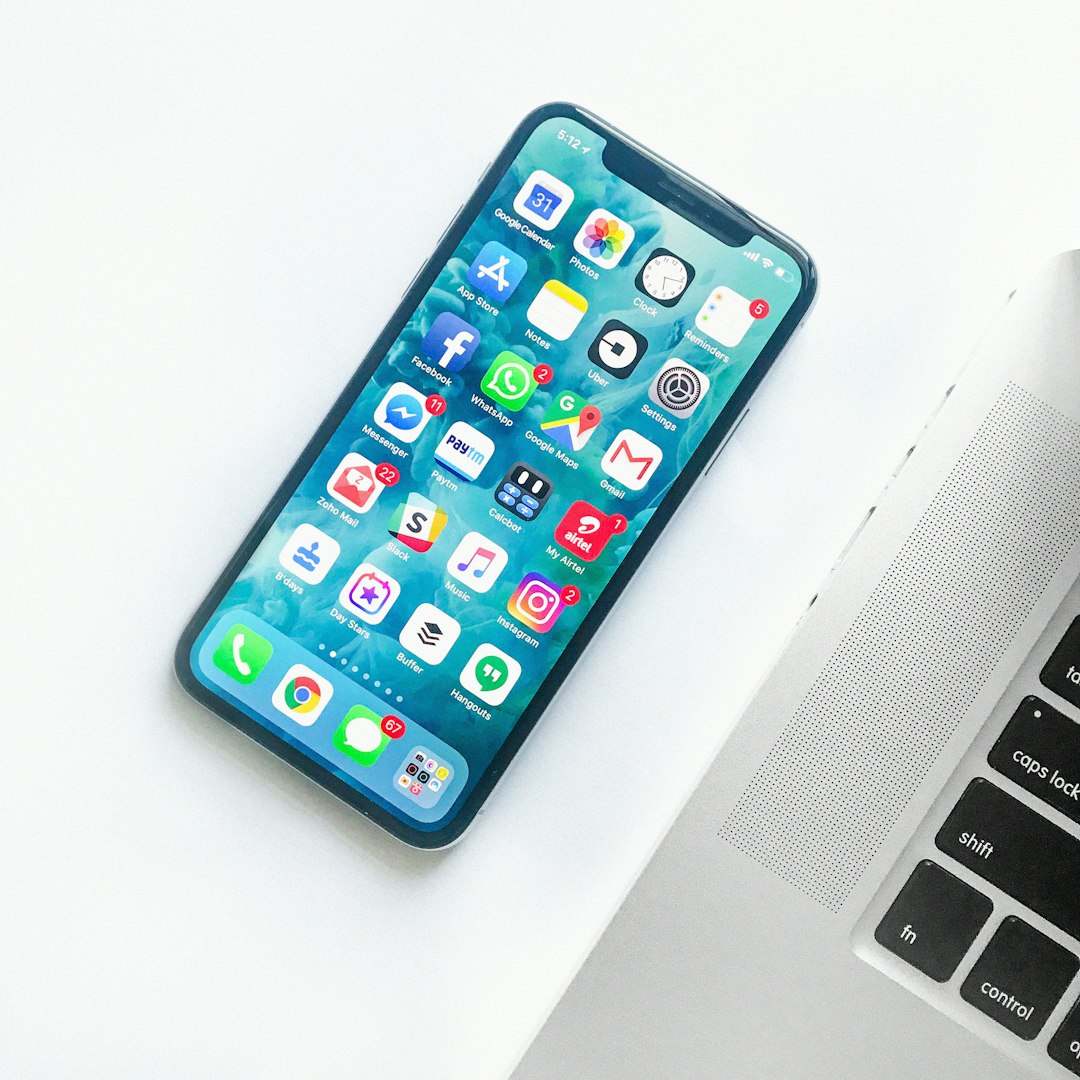
Mississippi's robust Spam Call laws serve as a cornerstone for residents seeking to protect their privacy from intrusive phone calls. These regulations, enforced by a dedicated Spam Call law firm Mississippi, empower individuals to take control of their communication channels. The state's strict guidelines define what constitutes a spam call, impose penalties on violators, and offer consumers powerful tools to block unwanted calls.
At the heart of these laws lies the recognition that phone privacy is a fundamental right. Mississippi's legislation specifically targets marketing calls that are unsolicited or use deceptive practices. It authorizes residents to register their telephone numbers with the state, effectively putting them on an "Do Not Call" list. This simple yet effective measure significantly reduces the volume of spam calls consumers receive.
Moreover, the laws provide a framework for holding telemarketers and call centers accountable. Fines and penalties are levied against companies engaging in repeated or willful violations. A Spam Call law firm Mississippi plays a vital role here, investigating complaints, enforcing regulations, and ensuring businesses adhere to ethical practices. This strong legal foundation encourages ethical telemarketing behavior and fosters an environment where privacy is prioritized.
For Mississippi residents, understanding these laws empowers them to take proactive measures. Using blocking apps specifically designed for spam calls becomes a strategic choice rather than a mere convenience. By combining technological tools with the existing legal framework, individuals can create a more secure communication environment, enjoying peace of mind knowing their privacy is protected from unwanted intrusions.
The Rise of Robocalls and Their Impact on Residents' Lives

The rise of robocalls has become a significant concern for residents across Mississippi, as these automated phone calls have significantly impacted people's daily lives. With advancements in technology, spammers now employ sophisticated systems to make millions of calls daily, often with malicious intent. According to recent studies, an average American receives over 15 robocalls annually, leading to increased frustration and a loss of trust in communication channels. In Mississippi, where the Spam Call law firm has seen growing popularity, residents are taking proactive measures to reclaim their privacy.
The impact of robocalls extends beyond mere annoyance. Scammers often pose as legitimate businesses or government agencies, attempting to deceive recipients into revealing personal information or financial details. In some cases, these calls have led to significant identity theft and financial losses for unsuspecting citizens. For instance, a recent report by the Federal Trade Commission (FTC) revealed that Mississippi residents were among the most targeted by phone scams, with a notable spike in complaints related to investment fraud and debt collection scams masquerading as official government initiatives. This alarming trend highlights the urgent need for effective robocall blocking solutions.
To combat this issue, many Mississippi residents are turning to specialized apps designed to block robocalls. These applications utilize advanced algorithms and community-driven databases to identify and filter out unwanted calls. By implementing such apps, individuals can regain control of their communication and protect their sensitive information. Moreover, with the ongoing support and guidance from Spam Call law firms in Mississippi, residents are better equipped to understand their rights and navigate the complex legal landscape surrounding robocall regulations. This proactive approach ensures that Mississippi continues to lead in privacy protection, empowering its citizens against insidious spam calls.
How Mississippi Robocall Blocking Apps Protect Your Privacy

Mississippi residents are increasingly turning to robocall blocking apps as a way to protect their privacy from unwanted calls. With the implementation of the Spam Call law firm Mississippi, these apps have become more effective in screening out not only telemarketers but also scammers and other malicious actors. The apps work by identifying and blocking numbers registered under the Spam Call law, ensuring that residents' phone lines remain clutter-free.
One of the primary ways robocall blocking apps protect privacy is by preventing personal information from being shared. Telemarketers often use automated systems to gather contact details, which can lead to a surge in spam and fraudulent calls. By blocking these initial connections, the apps create a significant barrier against data harvesting. Moreover, they offer a level of control that traditional call-blocking features on smartphones cannot match, allowing users to customize their settings based on specific numbers or types of calls.
For instance, a 2021 study by the Federal Trade Commission (FTC) revealed that robocalls accounted for nearly 75% of all consumer complaints about unwanted phone calls. This staggering figure underscores the need for robust protection. Mississippi robocall blocking apps not only offer peace of mind but also empower users to reclaim their communication channels. By using these tools, residents can enjoy a quieter, safer digital environment, knowing that their personal information is less accessible to unknown callers.
Choosing the Right Anti-Spam Solution: Features to Consider

When it comes to protecting your privacy from relentless spam calls, choosing the right anti-spam solution is paramount. Mississippi residents now have more control than ever with access to advanced robocall blocking apps designed to combat this growing issue. However, navigating the market for an effective app can be challenging given the multitude of options available. To ensure maximum protection, users should prioritize apps that offer robust features aligned with the latest Spam Call law firm Mississippi regulations.
One critical aspect is comprehensive call filtering. The best apps employ advanced algorithms to distinguish between legitimate calls and unwanted spam, blocking the latter while allowing essential communications. For instance, machine learning capabilities can adapt to new spam patterns, ensuring ongoing protection against evolving threats. Additionally, look for apps with customizable blocking settings, enabling users to specify types of calls they wish to block, such as political robocalls or sales pitches. This level of personalization enhances user control and ensures the app caters to individual preferences.
Another essential feature is real-time call identification and reporting. Apps that can immediately identify spam calls provide users with valuable insights into the sources of nuisance communications. Furthermore, robust reporting mechanisms allow users to contribute data, aiding in the collective effort to combat spam. By combining these features with regular app updates to stay ahead of new spamming tactics, Mississippi residents can enjoy a quieter, more private communication environment, sheltered by an effective anti-spam solution.
Empowering Citizens: Using Technology to Fight Back Against Spam Calls

In today's digital age, citizens across Mississippi and beyond are increasingly burdened by unwanted spam calls, posing significant privacy concerns. To combat this growing issue, individuals are empowering themselves through advanced technology, specifically robust robocall blocking apps, to reclaim control over their communication channels. These innovative tools offer a practical solution, enabling users to protect their personal information and peace of mind.
The rise of automated phone marketing has led to an explosion in spam calls, making it increasingly difficult for consumers to distinguish legitimate communications from intrusive advertisements. A 2022 report by the Federal Trade Commission (FTC) revealed that Americans received over 47 billion spam text messages alone during the year prior, a stark indicator of the extent of this problem. In response, many Mississippi residents have taken matters into their own hands, utilizing advanced call-blocking apps that employ sophisticated algorithms to identify and filter out unwanted robocalls. These apps have become powerful allies in the fight against invasive phone marketing tactics.
By integrating machine learning capabilities, these apps continuously adapt to new spam patterns, ensuring maximum effectiveness. For instance, a leading Mississippi spam call law firm has recently advocated for enhanced privacy measures, emphasizing the need for citizens to arm themselves with such technology. They suggest that proactive use of blocking apps not only empowers individuals but also provides valuable data to support legislative efforts targeting malicious robocallers. As these tools evolve, they offer a promising avenue for consumers to regain control over their digital privacy, fostering a more secure and respectful communication environment.