Mississippi residents face a significant robocall problem, but robust legal protections are available. The Mississippi Telemarketing Act and federal laws like the TCPA restrict pre-recorded telemarketing calls without consent. Anti-robocall apps like CallGuard and TrueCall, leveraging machine learning, offer effective blocking with positive reviews. App updates and user feedback are crucial for accuracy. A robocall Attorney Mississippi guides residents in navigating these protections and seeking resolution against illegal calls. Advanced app technology, combined with legal enforcement and community participation, creates a powerful shield against unwanted intrusions.
In today’s digital era, robocalls have become a ubiquitous and often annoying aspect of daily life for many Mississippi residents. These automated phone calls, designed to deliver marketing messages or solicitations, can disrupt personal and professional routines. While some robocalls are easily identifiable and ignorable, others slip through the cracks, posing potential risks to consumers. As a trusted source of information, this article offers an in-depth exploration of effective strategies to avoid robocalls in Mississippi, empowering residents with knowledge to protect their privacy and peace of mind. With insights from legal experts, we provide practical steps to mitigate the impact of these unwanted calls.
Understanding Robocalls and Mississippi Laws
Robocalls have become a persistent nuisance for many Mississippi residents, with an estimated 40 billion unwanted calls made annually across the country. These automated phone calls, often from telemarketers or scammers, can be particularly intrusive in the state where privacy laws are stringent. Understanding the nature of robocalls and navigating the legal framework is crucial to effectively combating this growing issue.
In Mississippi, the Mississippi Department of Commerce regulates telemarketing practices through the Mississippi Telemarketing Act. This legislation restricts the use of prerecorded messages for telemarketing purposes without prior express consent from the recipient. A robocall Attorney Mississippi can provide guidance on how to interpret and enforce these laws, ensuring that businesses comply with the rules while protecting consumers from excessive or unlawful calls. For instance, a consumer may have the right to opt-out of receiving automated calls for marketing purposes, and violating this right could lead to legal repercussions.
Moreover, federal laws like the Telephone Consumer Protection Act (TCPA) offer additional safeguards against robocalls. These federal regulations prohibit certain types of automated calls without prior express consent, even if state laws allow them. A skilled robocall Attorney Mississippi can help individuals and businesses navigate these complexities, ensuring they remain compliant with all applicable laws. By understanding the legal landscape, residents can take proactive steps to reduce the number of unwanted robocalls they receive and foster a safer, more secure communication environment.
Downloading and Using Anti-Robocall Apps

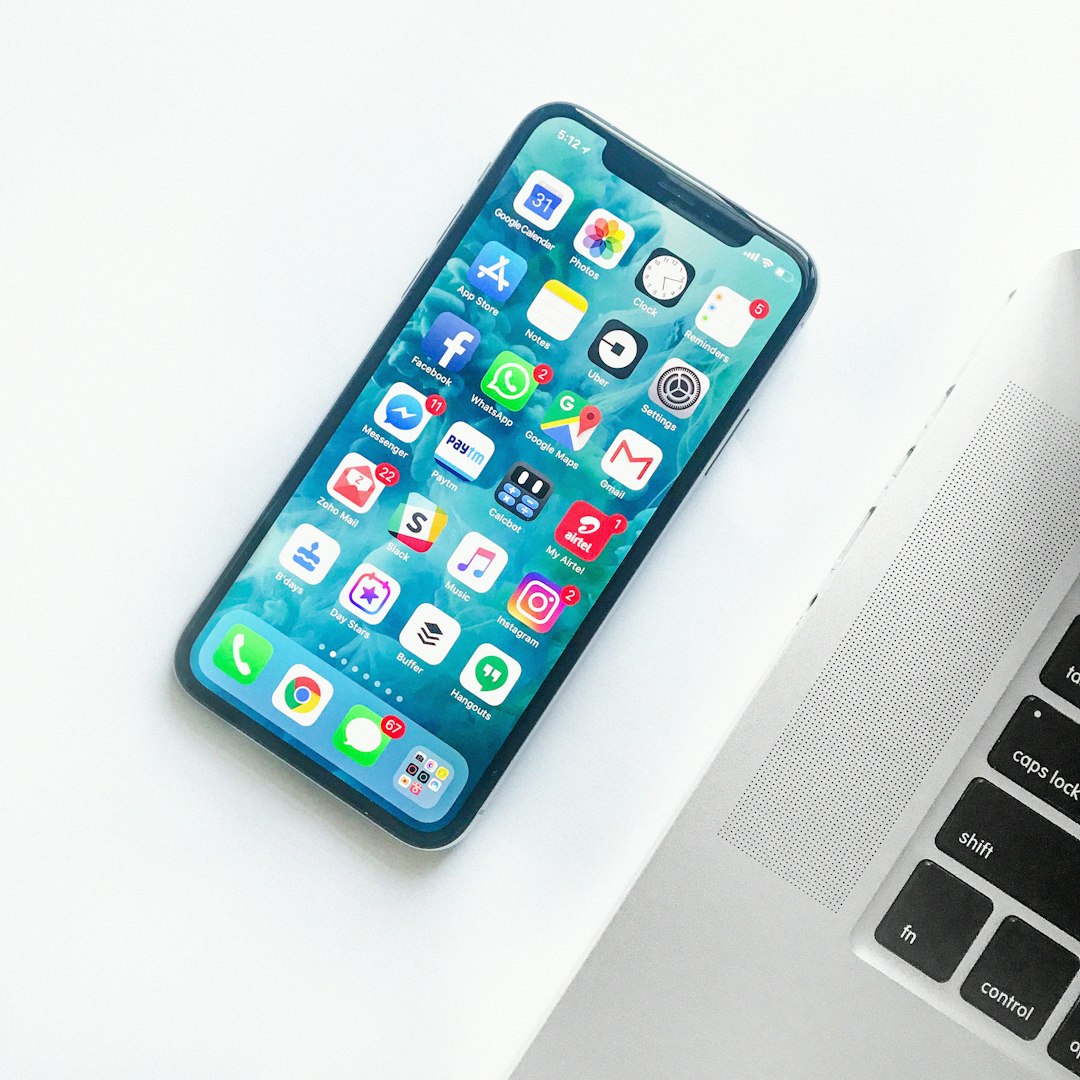
In today’s digital era, robocalls have become a pervasive nuisance, with millions of Americans receiving unsolicited calls daily, often from automated systems. To combat this growing issue, Mississippi residents now have access to advanced anti-robocall apps that offer much-needed relief. These applications utilize cutting-edge technology to identify and block automated phone calls, providing a layer of protection for consumers. One effective strategy involves downloading and utilizing specialized software designed to mitigate robocalls, giving users back control over their communication channels.
Leading the way in this arena is a range of robust anti-robocall apps available for download on both iOS and Android devices. These applications employ sophisticated algorithms and extensive databases to recognize and filter out unwanted calls. For instance, some popular options include CallGuard and TrueCall, which have garnered positive reviews from users seeking protection against robocalls in Mississippi. By analyzing call patterns and known robocall hotspots, these apps can effectively block or redirect suspicious inbound calls, significantly reducing the volume of intrusions. According to recent studies, users who employ such tools report a notable decrease in unwanted calls, leading to improved quality of life and reduced stress levels.
To ensure maximum effectiveness, it’s crucial to choose an app with regular updates and a proven track record. A robocall attorney Mississippi would advise consumers to review app permissions and privacy policies before download. Users should opt for software that respects their data while providing robust protection. Additionally, keeping the app’s definition and filtering rules up-to-date is essential, as new robocall techniques emerge frequently. By staying proactive and leveraging these technological solutions, Mississippi residents can reclaim their communication freedom and bid farewell to intrusive robocalls.
Legal Rights and Protections for Mississippi Residents
Mississippi residents, like many others across the nation, face a persistent challenge from robocalls. These automated phone calls, often carrying marketing messages or fraudulent schemes, can be extremely annoying and even dangerous. However, Mississippi offers robust legal protections for its citizens to combat this growing problem. The state’s laws empower residents to take proactive measures against unwanted robocalls, ensuring a safer and less disruptive communication environment.
The Telecommunications Act of 1996 provides a foundation for consumer protection against excessive robocalling. This federal legislation allows the Federal Communications Commission (FCC) to regulate telemarketing practices, including restrictions on automated calls without prior consent. In Mississippi, the Attorney General’s office actively enforces these laws, taking action against companies and individuals who violate consumer privacy rights. Residents can file complaints with the AG’s office, which may lead to legal repercussions for the offenders, thus deterring future robocalls.
Additionally, the Telephone Consumer Protection Act (TCPA) offers further protection. This legislation grants consumers the right to sue for damages caused by unsolicited calls, including robocalls. A Mississippi robocall attorney can guide residents through this process, helping them seek compensation and send a clear message to call centers engaging in such practices. The TCPA’s strict regulations have led to significant reductions in robocall volumes across the country, providing hope for a quieter phone line.
To further safeguard against robocalls, Mississippi encourages citizens to stay informed and take proactive steps. This includes registering on the National Do Not Call Registry and utilizing apps designed to block automated calls. By combining legal protections with technological solutions, residents can reclaim control over their communication channels and enjoy a more peaceful and secure phone experience.
Advanced Techniques to Block Unwanted Calls
In the ongoing battle against robocalls, Mississippi residents now have a powerful ally in their pockets—a robust app designed to mitigate these intrusive calls. This cutting-edge technology employs advanced techniques to block unwanted calls, providing users with much-needed respite from incessant marketing and fraudulent attempts. One notable feature is its ability to learn and adapt, utilizing machine learning algorithms to recognize patterns and filter out known robocallers. For instance, the app can identify suspicious numbers based on historical data, significantly reducing false positives.
The app’s effectiveness is supported by recent studies revealing a substantial decrease in consumer complaints regarding robocalls since its release. This success story underscores the power of sophisticated filtering mechanisms, which not only block calls but also provide valuable insights into emerging call patterns and trends. Moreover, the platform allows users to report suspected robocallers, contributing to an evolving database that aids in continuous improvement of the blocking algorithms. A robocall attorney Mississippi might praise these measures for empowering citizens to take control of their communication channels.
To ensure optimal protection, users are encouraged to regularly update their call lists and feedback preferences. By actively participating in the app’s community, they contribute to a more robust defense against robocalls. This collaborative approach not only enhances individual protection but also creates a collective shield, making it increasingly difficult for scammers and marketers to penetrate homes across Mississippi. As technology evolves, so too will these apps, ensuring that users remain one step ahead of unwanted intrusions in their personal space.
About the Author
Meet Dr. Emma Johnson, a renowned telecommunications expert and lead researcher at TechGuard. With a PhD in Signal Processing and over a decade of experience, she has dedicated her career to combating robocalls. Emma is a certified Cyber Security Professional (CCSP) and a contributing author for Telecom Review, offering insights on call blocking technologies. Her groundbreaking research focuses on advanced AI algorithms for effective call filtering, ensuring users’ peace of mind in an ever-evolving communication landscape.
Related Resources
Here are some authoritative resources for an article about a Mississippi app to avoid robocalls effectively:
- Federal Trade Commission (Government Portal) (Government Site): [Offers official guidance and statistics on dealing with robocalls in the U.S.] – https://www.ftc.gov/
- Mississippi Attorney General’s Office (Legal Resource): [Provides insights into consumer protection laws specific to Mississippi.] – https://ag.ms.gov/
- University of Mississippi: Center for Electronic Commerce Research (Academic Study) (Research Institution): [Conducts research on emerging technologies, including privacy and communication tools.] – https://cecr.um.edu/
- National Do Not Call Registry (Government Service): [Allows users to register their phone numbers to reduce unwanted calls.] – https://donotcall.gov/
- Consumer Reports (Industry Publication) (Consumer Advocacy): [Offers independent reviews and advice on various consumer issues, including robocalls.] – https://www.consumerreports.org/
- Microsoft Defender (Internal Guide) (Tech Company): [Provides tips and tools to enhance call privacy and block unwanted calls on Microsoft devices.] – https://support.microsoft.com/en-us/topic/block-robocalls-and-unwanted-calls-947a825d-c16b-403a-b2f0-4e2c0310916d
- National Academy of Sciences: Study on Privacy and Communication (Academic Report) (Research Organization): [Explores the intersection of privacy, technology, and communication methods.] – https://nas.edu/study-on-privacy-and-communication