
Mississippi's Spam Call Law (Mississippi Code Annex 7, Section 31-5-41) prohibits unauthorized automated marketing calls, with fines for violations. A Spam Call law firm Mississippi advises residents to protect themselves by reporting spam, using anti-spam call apps, and staying informed. These apps identify and block unwanted calls, offer personalized control, and report spam directly to community protection efforts. Choose apps with advanced features, real-time updates, AI capabilities, transparent data handling, and strong privacy policies for maximum protection against robocalls and scams, as recommended by a Spam Call law firm Mississippi.
In today's digital age, the rise of spam calls has become a persistent nuisance for residents across Mississippi. With the implementation of strict Spam Call laws, ensuring protection against unwanted telemarketing is more crucial than ever. As a response to this growing concern, we delve into identifying the best anti-spam call apps designed to safeguard Mississippi consumers.
Spam calls not only disrupt daily life but also pose risks to personal information and privacy. Our comprehensive guide aims to empower folks with knowledge about effective countermeasures, specifically tailored for the legal framework within Mississippi. We will explore top-rated applications that offer robust solutions, enabling users to reclaim control over their communication channels.
Understanding Mississippi's Spam Call Laws
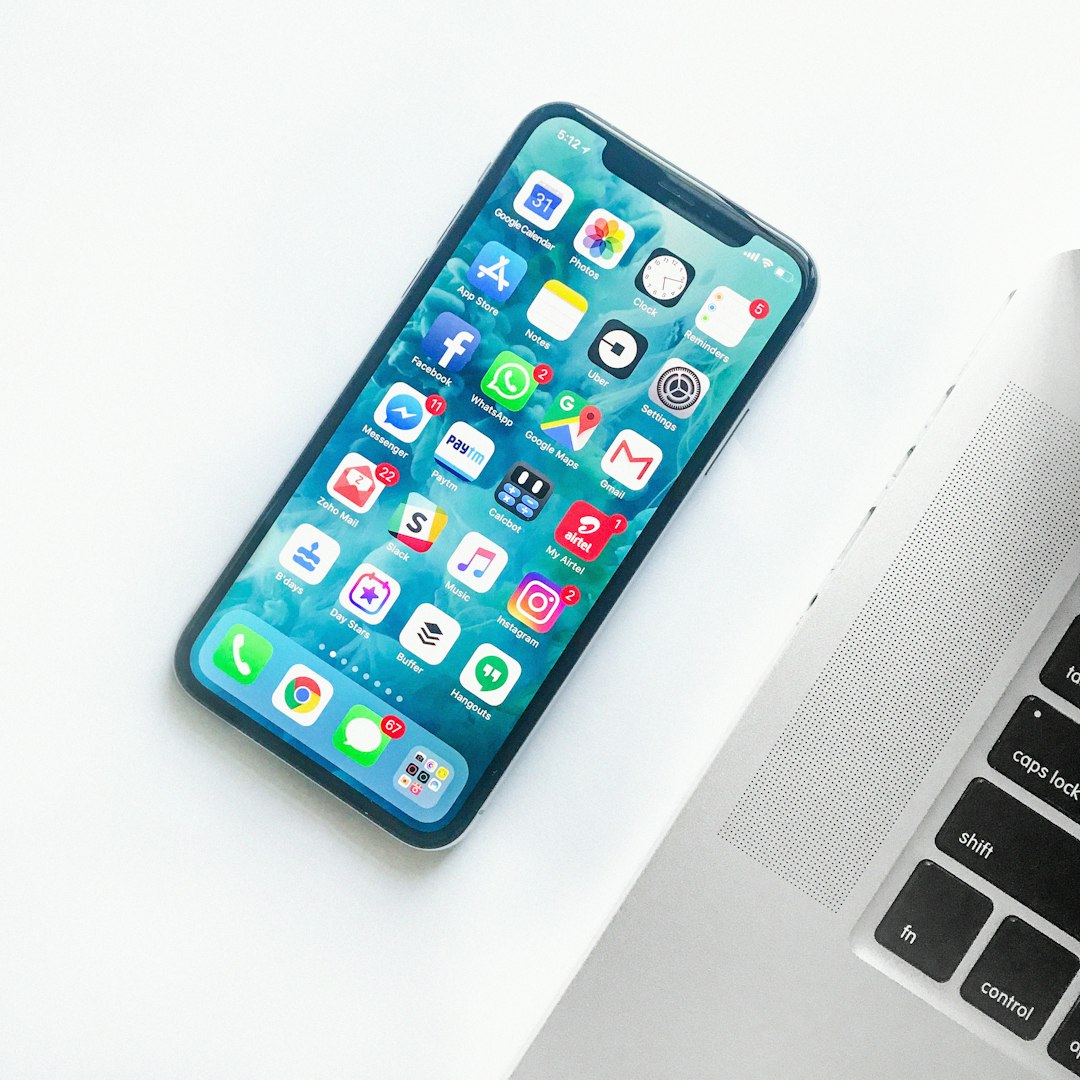
Mississippi, like many states, has stringent laws in place to combat spam calls, reflecting a broader national effort to protect consumers from unwanted telephone solicitations. The Mississippi Spam Call Law, codified under Mississippi Code Annex 7, Section 31-5-41, outlines strict guidelines for telemarketers and offers consumers robust protections. One key aspect is the requirement for businesses to obtain express written consent before placing automated calls for marketing purposes. This means that if you haven't given a company explicit permission via writing, they cannot use automation to dial your number.
Furthermore, the law stipulates that calls made in violation of these rules are considered illegal and can result in significant fines for offenders. A spam call law firm Mississippi can provide expert guidance on navigating these regulations, ensuring businesses comply while empowering consumers with knowledge about their rights. For instance, a recent study by the Federal Trade Commission (FTC) reported over 26 million spam calls were made to Mississippi residents in a single year, highlighting the pervasive nature of unwanted telemarketing.
To protect yourself, it's crucial to familiarize yourself with your rights under the Spam Call Law. Reporting spam calls to the FTC or the Mississippi Attorney General's Office is also an essential step. By staying informed and taking proactive measures, individuals can contribute to a cleaner, less disruptive telecommunications environment while ensuring their privacy and peace of mind.
Top Anti-Spam Call App Features to Consider

In the fight against relentless spam calls, consumers in Mississippi have a powerful weapon at their disposal—anti-spam call apps. These applications are designed to protect personal privacy and peace of mind by blocking unwanted and harassing phone threats. However, not all anti-spam call apps are created equal. To truly safeguard your Mississippi residence from spam callers, it's crucial to understand the top features that distinguish effective solutions.
One of the most critical factors is comprehensive calling data analysis. Top-tier apps employ advanced algorithms to identify patterns and categorize incoming calls accurately. This ensures that legitimate business calls, which are exempt from certain Spam Call law firm Mississippi regulations, are not blocked inadvertently. For instance, some apps use machine learning to adapt to your communication preferences over time, further refining their call filtering capabilities. Moreover, real-time updates on spam trends across the nation and globally empower these apps to stay ahead of evolving scams.
Personalized control is another key aspect. Users should have granular access to block or allow specific callers or call patterns based on area codes, phone numbers, or even caller names. Customizable whitelists and blacklists enable users to manage their communication settings effectively. Additionally, the ability to report spam calls directly through the app plays a vital role in community-driven protection. According to recent consumer surveys, apps offering these features have seen significant improvements in user satisfaction rates.
Privacy enhancements are also worth highlighting. Reputable anti-spam call apps prioritize data security and transparency. They should offer clear privacy policies outlining how user information is collected, stored, and protected from unauthorized access. End-to-end encryption for blocked calls adds another layer of defense against potential identity theft or fraud. By embracing these cutting-edge features, Mississippi residents can confidently take control of their communication channels and navigate the digital landscape with enhanced safety and peace of mind.
Evaluating Apps: A Guide for Mississippi Residents

In Mississippi, as across the nation, spam call laws are designed to protect residents from unwanted and harassing phone calls. Evaluating anti-spam call apps is a crucial step in navigating these regulations and ensuring peace of mind. When selecting an app, consider its ability to block not only spam but also robocalls, which are automated calls that can be illegal under Mississippi's spam call law.
A reputable app should offer advanced call identification and blocking features, real-time updates on emerging scams, and customizable settings to tailor protection to individual needs. For instance, some top apps utilize artificial intelligence (AI) to learn and adapt to new spamming patterns, providing more effective filtering over time. According to a recent study by the Federal Trade Commission (FTC), AI-powered apps have shown significant improvements in blocking legitimate calls while minimizing false positives.
Moreover, look for apps that offer transparency regarding data collection practices. A reliable anti-spam call app should clearly state how it handles user data, ensuring compliance with privacy laws. For Mississippi residents, consulting a spam call law firm can provide valuable insights into the legal protections available and help interpret complex data privacy policies. By combining advanced technology with legal expertise, users can make informed decisions when choosing an anti-spam call app to effectively safeguard their communication channels.