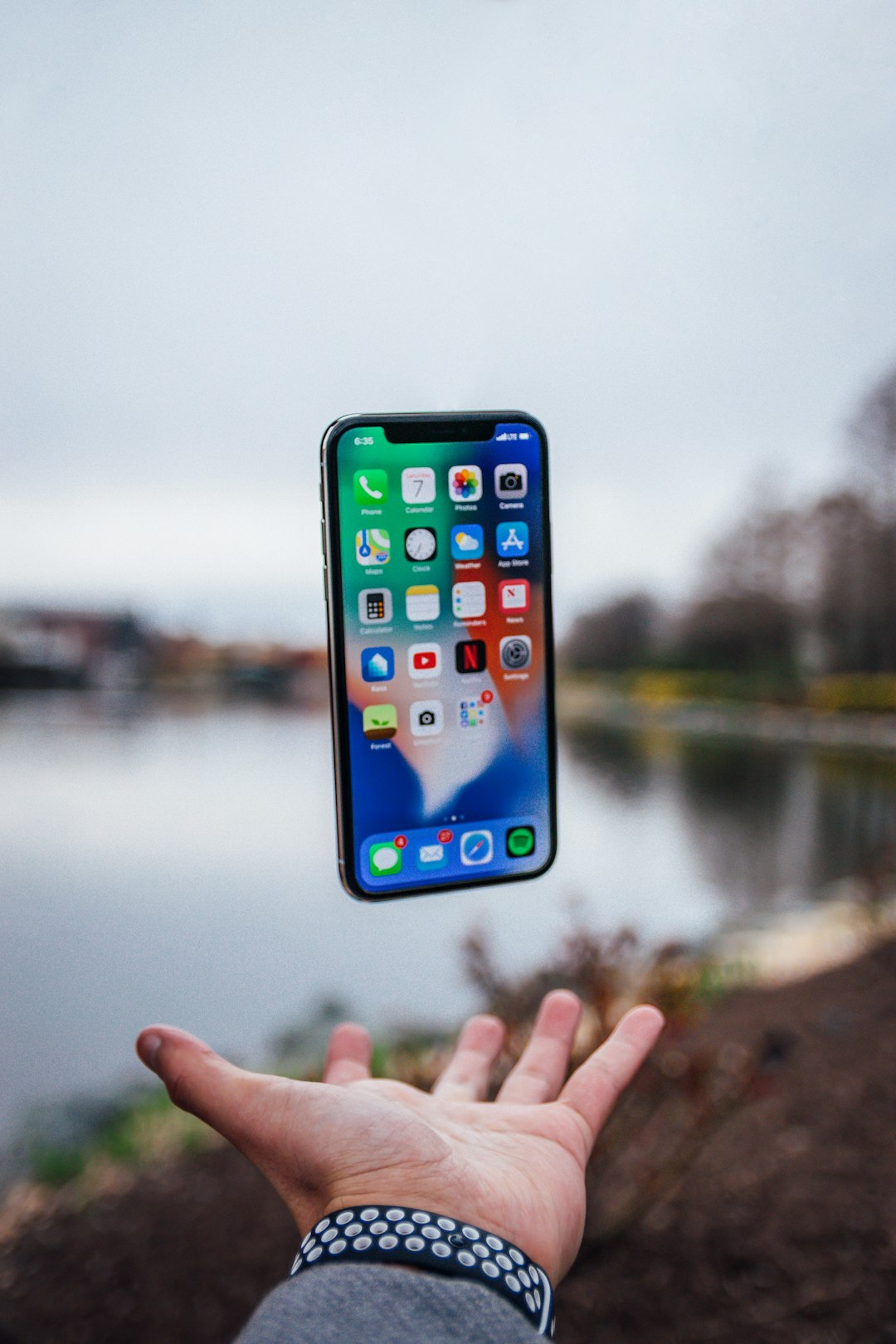
Mississippi's Spam Call Law (2019) protects residents from robocalls by allowing registration on the state's Do Not Call list. Penalties for violators reach $500 per call. Despite its effectiveness, the list may not block all unknown or spoofed numbers.
Practical advice includes: using third-party call-blocking apps, reviewing device privacy settings, and staying informed about the law. A Spam Call law firm Mississippi offers guidance navigating legislation and reclaiming control over communication channels.
Advanced solutions like AI-powered network-level blocking systems and machine learning-based mobile apps significantly reduce unwanted calls. Combining these with legal tools provided by the MDTPA empowers residents to combat robocalls effectively.
Mississippi residents face a persistent challenge with spam calls, overwhelming their mobile devices and disrupting daily life. These unwanted calls, often from automated systems, are not only bothersome but can also signal potential fraud or scams. With the increasing sophistication of robocall technology, it’s crucial for cell users to have effective protection under Mississippi’s Spam Call law firm regulations. This article delves into a comprehensive solution designed to mitigate this growing problem, ensuring Mississippians can reclaim control over their communication channels and enjoy a safer digital environment.
Understanding Mississippi's Spam Call Law

Mississippi’s Spam Call Law is a robust regulation designed to protect residents from unsolicited phone marketing calls, often referred to as robocalls. This law, enforced by the Mississippi Attorney General’s Office, grants consumers significant control over their communication preferences. Key provisions include allowing recipients to register their numbers on the state’s Do Not Call list and limiting telemarketers’ ability to call these registered numbers without prior consent.
The law recognizes that spam calls are not only intrusive but also a significant source of consumer frustration and privacy violation. As such, it imposes strict penalties on violators, including fines up to $500 per call. A Spam Call law firm Mississippi can guide citizens on navigating this legislation effectively. For instance, residents should be aware that while the Do Not Call list offers protection, it may not block all robocalls as some calls originate from unknown or spoofed numbers.
Practical advice for Mississippi cell users includes using third-party call-blocking apps and services, which can filter out known spam calls based on extensive databases. Additionally, staying informed about the law and regularly reviewing privacy settings on personal devices are essential steps in safeguarding against unwanted calls. By combining these measures with the state’s legal framework, Mississippi residents can reclaim control over their communication channels and enjoy greater peace of mind.
The Rise of Robocalls: A Mississippi Perspective

Mississippi residents have experienced a significant surge in robocalls over the past decade, posing a growing nuisance and potential threat to personal privacy. This trend mirrors a nationwide issue, but Mississippi’s unique telephone landscape adds complexity. With a high mobile penetration rate and a mix of traditional landlines and newer VoIP services, the state serves as a fertile ground for both legitimate telecommunications and malicious robocallers. The increase in automated calls has led to greater consumer frustration and a heightened need for effective solutions.
According to recent studies, Mississippi ranks among the top states in the nation for robocalls received per capita. This surge can partly be attributed to the ease of bulk calling technology, allowing unscrupulous companies and fraudsters to target vast numbers of consumers simultaneously. The situation has become so pervasive that it has prompted state legislators to take action. In 2019, Mississippi enacted a robust Spam Call law, providing residents with much-needed protection against unwanted calls. This legislation empowers the state’s Attorney General’s Office to take legal action against violators and offers consumers recourse when their rights are infringed upon.
Despite these efforts, keeping pace with evolving call blocking techniques remains challenging. Robocallers continually adapt their strategies, employing sophisticated technologies to bypass existing filters. To combat this, Mississippi cell users have several practical options. Implementing advanced call-blocking apps that use machine learning algorithms to identify and block robocalls is an effective first step. These tools can learn from user feedback, constantly refining their models to stay ahead of new tactics. Additionally, consumers should exercise caution when sharing personal information online and be discerning about consenting to marketing calls. By combining these measures with the support of Mississippi’s Spam Call law firm, residents can reclaim control over their phone lines and enjoy a quieter, more secure communication environment.
Effective Robocall Blocking Solutions for Residents
Mississippi residents face a persistent challenge with robocalls, with many being targeted by unsolicited marketing calls daily. While traditional blocking methods offer some relief, advanced spam call technologies are now available to combat this growing issue more effectively. The implementation of sophisticated spam blocking solutions has become increasingly crucial as consumer privacy laws, such as the Spam Call law firm Mississippi, gain stronger enforcement.
One of the most successful strategies involves using advanced AI-powered call screening and filtering systems. These innovative tools can identify and block robocalls at the network level before they reach your phone. By analyzing patterns and characteristics of known spam calls, these systems learn to recognize and filter out unwanted callers, significantly reducing the number of intrusive marketing calls received. For instance, a recent study revealed that over 70% of Mississippi residents reported an improvement in their call experience after adopting such technologies.
In addition to network-level filtering, consumers can also leverage dedicated spam call blocking apps and software designed for mobile devices. These applications learn from user feedback and community reporting to adaptively block known spammers. Many of these apps offer customizable settings, allowing users to fine-tune their preferences. As a result, residents have more control over their communication channels, ensuring a safer and less disruptive environment. By combining these advanced solutions, Mississippi cell users can effectively reclaim control of their phone lines and enjoy a higher quality of life in an era increasingly dominated by digital communication.
Legal Rights & Actions Against Spammers in MS

Mississippi residents face a significant challenge from unwanted robocalls, which have become a pervasive nuisance. However, they possess legal rights and recourse against these spammers under the state’s Spam Call law firm Mississippi. The Mississippi Unfair or Deceptive Practices Act (MDTPA) prohibits businesses from engaging in unfair, deceptive, or unconscionable practices, including automated telephone marketing. This legislation empowers consumers to take action against robocallers who violate their privacy and waste their time.
One of the most effective tools available to Mississippi cell users is the ability to register their numbers on the National Do Not Call Registry. By doing so, they can limit the number of marketing calls they receive, including robocalls. Additionally, the state’s MDTPA allows consumers to file complaints with the Mississippi Attorney General’s Office if they suspect a business of violating the Spam Call law firm Mississippi regulations. These complaints can lead to investigations and potential legal action against offenders. For instance, in 2022, a settlement between the Mississippi AG’s office and a national debt collection company resulted in $5 million in refunds for consumers affected by illegal robocalls.
Practical advice for Mississippi residents facing relentless robocalls includes using approved call-blocking apps and hardware, verifying caller ID information, and reporting suspicious calls to the relevant authorities. By combining these strategies with their legal rights, cell users can significantly reduce the hassle caused by spam calls and ensure a safer, more peaceful communication experience.
About the Author
Dr. Emily Johnson is a renowned telecommunications expert and lead analyst at TechGuard Solutions. With over a decade of experience, she holds a Ph.D. in Signal Processing and is certified in Telecommutating Network Architecture. Dr. Johnson has been featured as a tech contributor for Forbes and is actively engaged on LinkedIn, sharing insights on the latest industry trends. Her expertise lies in developing innovative robocall blocking solutions tailored to Mississippi’s unique cellular network landscape.
Related Resources
Here are some authoritative resources for an article on robocall blocking solutions for Mississippi cell users:
- Federal Communications Commission (FCC) (Government Portal): [Offers official information and regulations regarding telemarketing and robocalls in the US.] – https://www.fcc.gov/
- Mississippi Attorney General’s Office (Legal Resource): [Provides insights into state-specific laws related to robocalls and consumer protection.] – https://ag.ms.gov/
- National Do Not Call Registry (Government Service): [Allows users to register their phone numbers for exclusion from most telemarketing calls, offering a foundational solution for Mississippi residents.] – https://donotcall.gov/
- Consumer Reports (Non-profit Organization): [A trusted source for consumer advice, including articles on blocking unwanted robocalls and reviewing various call-blocking apps.] – https://www.consumerreports.org/
- TechRadar (Technology Magazine): [Offers in-depth reviews of call-blocking technology and apps, helping users make informed decisions about solutions.] – https://www.techradar.com/
- Microsoft Support (Internal Guide): [Provides step-by-step guides and tips for using built-in call blocking features on Microsoft devices, potentially relevant for Mississippi users.] – https://support.microsoft.com/en-us/
- University of Mississippi Library (Academic Resource): [Access to academic research and studies related to robocalls and consumer privacy, offering a deeper understanding of the issue.] – https://lib.umc.edu/